

Introduction to Chameleónovité
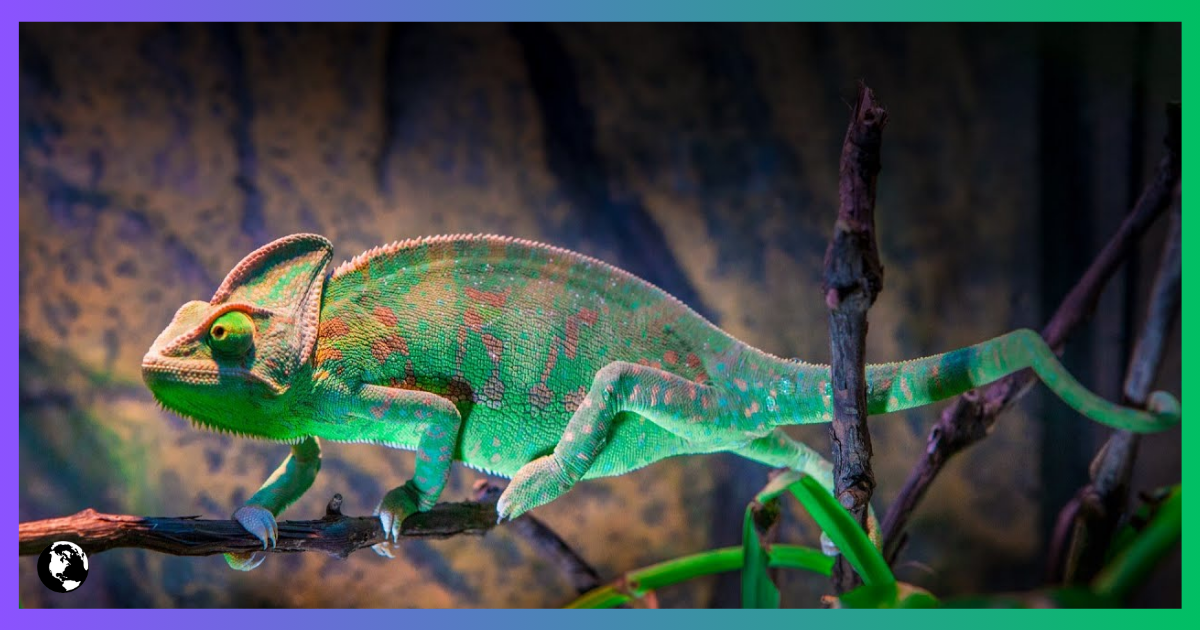
Chameleónovité are among the most unique and captivating reptiles in the animal kingdom. Known for their remarkable ability to change color, independently moving eyes, and specialized hunting techniques, these reptiles have fascinated scientists, nature enthusiasts, and reptile keepers for generations. Belonging to the family Chamaeleonidae, chameleónovité are primarily found in Africa and Madagascar, although some species also inhabit parts of southern Europe, the Middle East, and Asia.
While many people associate chameleons solely with their color-changing abilities, the truth is that chameleónovité possess a wide range of extraordinary adaptations that allow them to thrive in diverse environments. From dense rainforests to dry savannas, these reptiles demonstrate an impressive level of evolutionary specialization.
Understanding chameleónovité provides insight into how reptiles adapt to their surroundings, communicate with each other, and survive in challenging habitats.
Table of Contents
What Are Chameleónovité?
Chameleónovité are a group of arboreal lizards belonging to the reptile family Chamaeleonidae. There are over 200 recognized species, each displaying distinct physical features, behaviors, and habitat preferences.
These reptiles are most famous for their ability to alter skin coloration, which is often misunderstood as simple camouflage. In reality, color change in chameleónovité serves multiple purposes, including communication, temperature regulation, and emotional expression.
Chameleons are primarily tree-dwelling animals that rely on stealth, patience, and specialized anatomy to hunt insects and avoid predators.
Key Characteristics of Chameleónovité
Chameleónovité possess several distinctive traits that set them apart from other reptiles:
• Independently rotating eyes that allow them to look in two directions simultaneously
• Long, sticky projectile tongue used to capture prey
• Prehensile tails that function like an extra limb for gripping branches
• Zygodactyl feet designed for climbing and grasping vegetation
• Highly adaptable skin capable of rapid color change
These adaptations make chameleons highly efficient hunters and masters of arboreal living.
The Science Behind Color Change
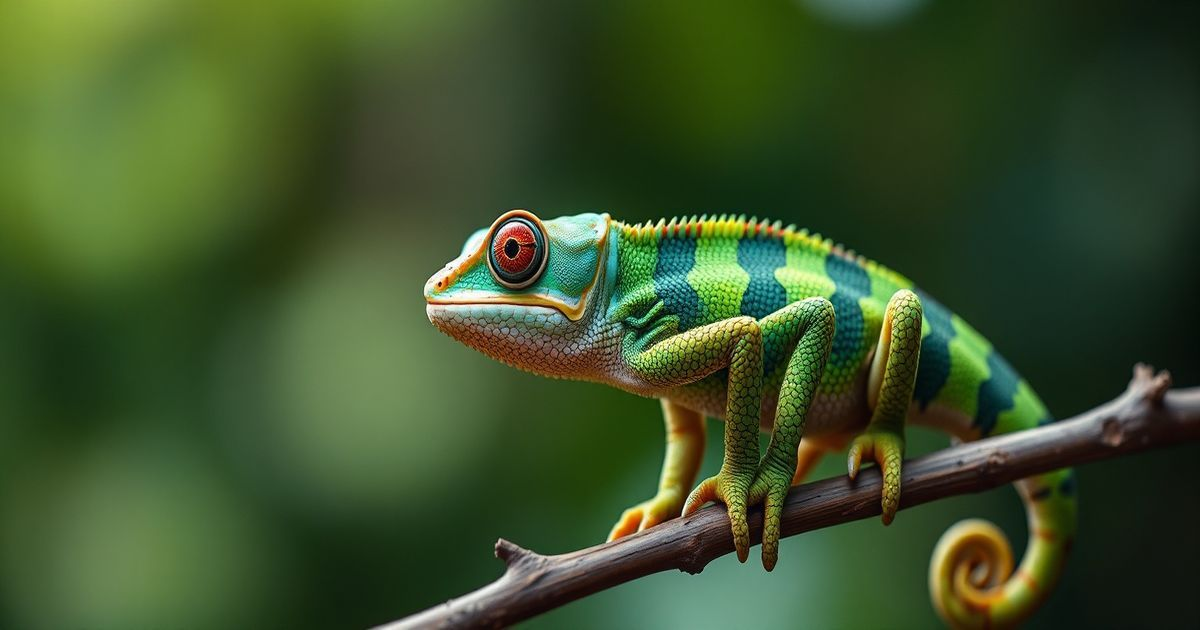
One of the most fascinating features of chameleons is their ability to change color. Contrary to popular belief, chameleons do not change color simply to match their surroundings.
Instead, color transformation is controlled by specialized skin cells called chromatophores and iridophores. These cells contain pigments and microscopic crystals that reflect different wavelengths of light. By adjusting these structures, chameleónovité can shift their skin color rapidly.
Reasons chameleons Change Color
Chameleónovité change color for several biological reasons:
Communication
Color signals are used to communicate mood, dominance, and territorial behavior among chameleons.
Temperature Regulation
Darker colors absorb more heat, helping chameleons warm up in cooler environments.
Stress and Defense
Bright or contrasting colors may appear when a chameleon feels threatened.
Courtship and Mating
Males often display vibrant colors during mating rituals to attract females or intimidate rivals.
This complex system of visual signaling plays a crucial role in the social interactions of chameleons.
Unique Anatomy and Adaptations
The evolutionary adaptations of chameleons are among the most specialized in the reptile world. Their bodies are perfectly designed for a slow, controlled life among branches and leaves.
Independent Eye Movement
Chameleons have some of the most advanced visual systems in reptiles. Each eye can rotate independently, providing a nearly 360-degree field of vision.
This ability allows a chameleon to scan for predators while simultaneously tracking potential prey. When a target is detected, both eyes lock onto it to create precise depth perception before the chameleon launches its tongue.
The Remarkable Tongue Mechanism
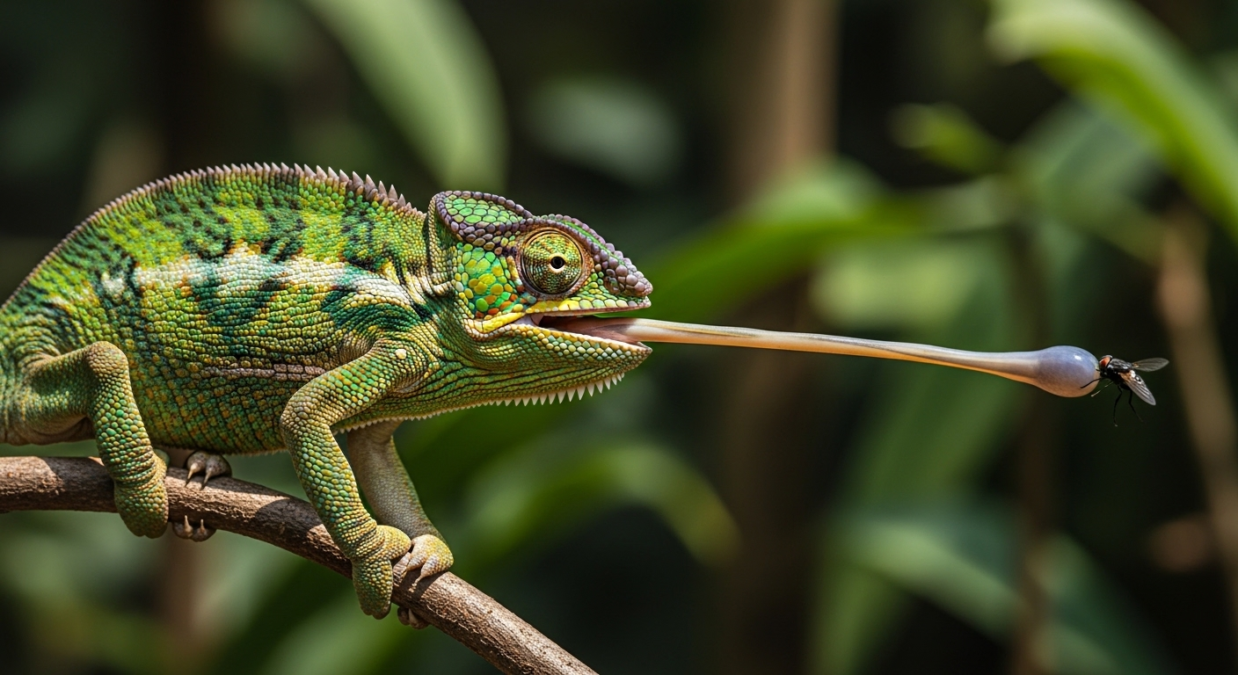
The tongue of chameleónovité is an extraordinary biological tool. It can extend up to twice the length of the animal’s body and launch at incredible speed.
This ballistic tongue projection allows chameleons to capture insects from a distance with extreme accuracy. The sticky tip ensures that prey remains secured as the tongue retracts rapidly back into the mouth.
Prehensile Tail and Gripping Feet
Living in trees requires exceptional balance and stability. chameleons have evolved zygodactyl feet, meaning their toes are fused into opposing groups that function like gripping pincers.
Their prehensile tail acts as a fifth limb, wrapping securely around branches to prevent falls. These adaptations make chameleons highly efficient climbers.
Habitat and Geographic Distribution
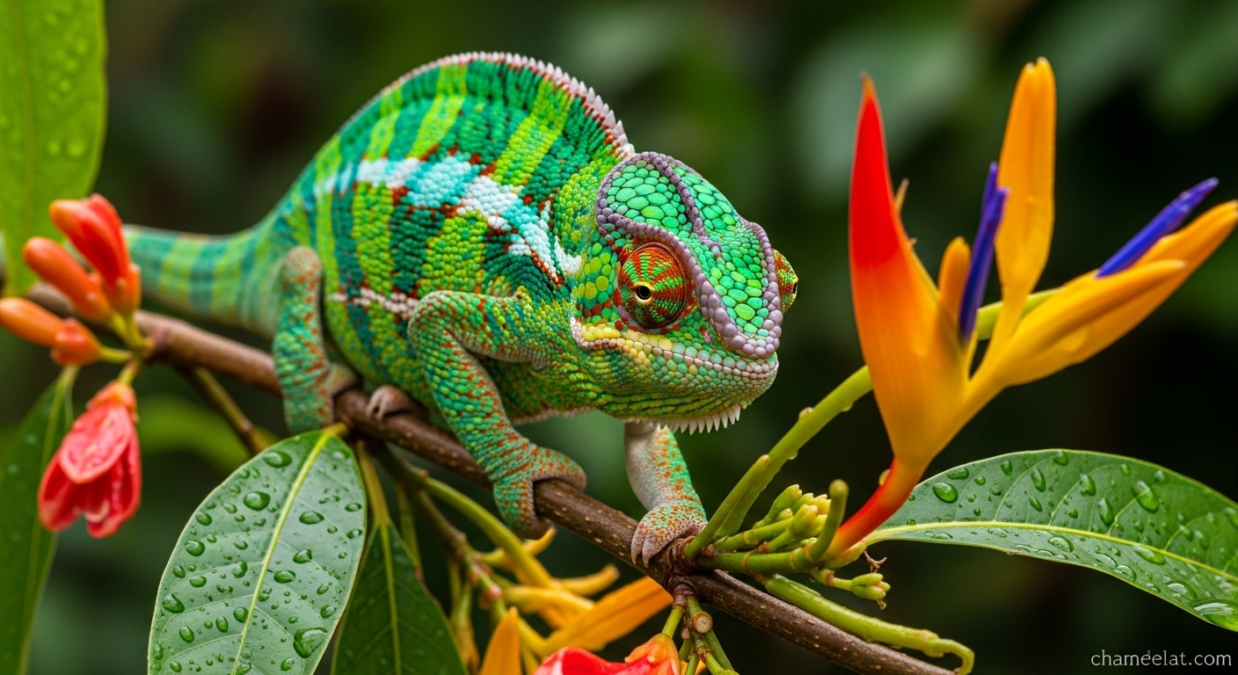
Chameleónovité are predominantly found in Africa and Madagascar, with Madagascar alone hosting a remarkable diversity of species.
Other regions where chameleónovité occur include:
• Southern Europe
• The Middle East
• Parts of India and Sri Lanka
These reptiles occupy a wide range of ecosystems, including tropical rainforests, dry forests, mountainous regions, and savannas.
Madagascar is considered the global hotspot for chameleon biodiversity, with many species found nowhere else on Earth.
Diet and Hunting Behavior
Chameleónovité are primarily insectivores, meaning their diet consists mostly of insects and other small invertebrates.
Common prey includes:
• Crickets
• Grasshoppers
• Flies
• Beetles
• Moths
Larger species may occasionally consume small birds, reptiles, or rodents.
Unlike many reptiles that actively chase their prey, chameleónovité rely on patience and stealth. They remain motionless for long periods before striking with their rapid tongue mechanism.
This ambush-style hunting strategy conserves energy while maintaining high hunting success.
Reproduction and Life Cycle
Reproductive strategies among chameleónovité vary depending on the species. Some lay eggs, while others give birth to live young.
Egg-Laying Species
Most chameleons reproduce by laying eggs. Females typically dig a small hole in the soil where they deposit a clutch that may contain anywhere from 10 to 80 eggs depending on the species.
Incubation periods can vary widely, often lasting several months.
Live-Bearing Species
Certain chameleons, especially those living in cooler mountain climates, give birth to fully developed live young. This adaptation helps protect embryos from environmental fluctuations.
Baby chameleons are independent immediately after birth or hatching and must quickly learn to hunt and avoid predators.
Chameleónovité in the Pet World
Due to their exotic appearance and fascinating behavior, chameleons have become popular pets among reptile enthusiasts. However, they are not considered beginner reptiles.
Chameleons require very specific care conditions, including:
• Proper humidity and temperature control
• UVB lighting for vitamin synthesis
• A well-ventilated enclosure with climbing branches
• A varied insect-based diet
Improper husbandry can quickly lead to health issues. Therefore, potential owners must research carefully before keeping chameleónovité as pets.
Conservation and Environmental Threats
Many species of chameleónovité face growing threats due to habitat destruction, illegal wildlife trade, and climate change.
Deforestation in tropical regions has significantly reduced the natural habitats where chameleons thrive. Additionally, some rare species are collected for the exotic pet market.
Conservation organizations and researchers are actively working to protect chameleon populations through habitat preservation, breeding programs, and legal protections.
Protecting these remarkable reptiles is essential for maintaining biodiversity in the ecosystems they inhabit.
Conclusion
Chameleónovité are extraordinary reptiles that showcase some of nature’s most impressive evolutionary innovations. Their ability to change color, hunt with precision, and navigate complex arboreal environments highlights the incredible diversity of life on Earth.
Beyond their striking appearance, chameleons represent a fascinating intersection of biology, adaptation, and survival strategy. From Madagascar’s forests to African savannas, chameleons continue to captivate scientists and wildlife enthusiasts alike.
By understanding their biology, habitat needs, and conservation challenges, we can better appreciate and protect these remarkable creatures for future generations.
FAQs
What does the word chameleónovité mean?
Chameleónovité refers to the reptile family Chamaeleonidae, which includes all species of chameleons. These reptiles are known for their color-changing skin, independently moving eyes, and specialized hunting techniques. The term is commonly used in zoological and biological contexts to describe this unique group of lizards.
Why do chameleónovité change their color?
Chameleónovité change color primarily for communication, temperature regulation, and emotional signaling rather than simple camouflage. Different colors can indicate aggression, stress, readiness to mate, or attempts to warm up or cool down in response to environmental conditions.
Where do most chameleónovité live?
Most chameleónovité live in Africa and Madagascar, which is considered the center of chameleon diversity. Some species are also found in southern Europe, the Middle East, and parts of Asia. Their habitats range from tropical forests to dry savannas and mountainous areas.
How do chameleónovité catch their prey?
Chameleónovité capture prey using a highly specialized tongue that can extend rapidly to snatch insects from a distance. The tongue has a sticky tip that grips the prey before retracting quickly back into the mouth, allowing the chameleon to eat its catch efficiently.
Are chameleónovité difficult to keep as pets?
Yes, chameleónovité are generally considered challenging pets because they require precise environmental conditions. Proper temperature, humidity, lighting, and diet are essential for their health. They are best suited for experienced reptile keepers who understand their specific care requirements.
